Consequences Of Poor Soil Compaction In Commercial Construction

May 22nd, 2026|

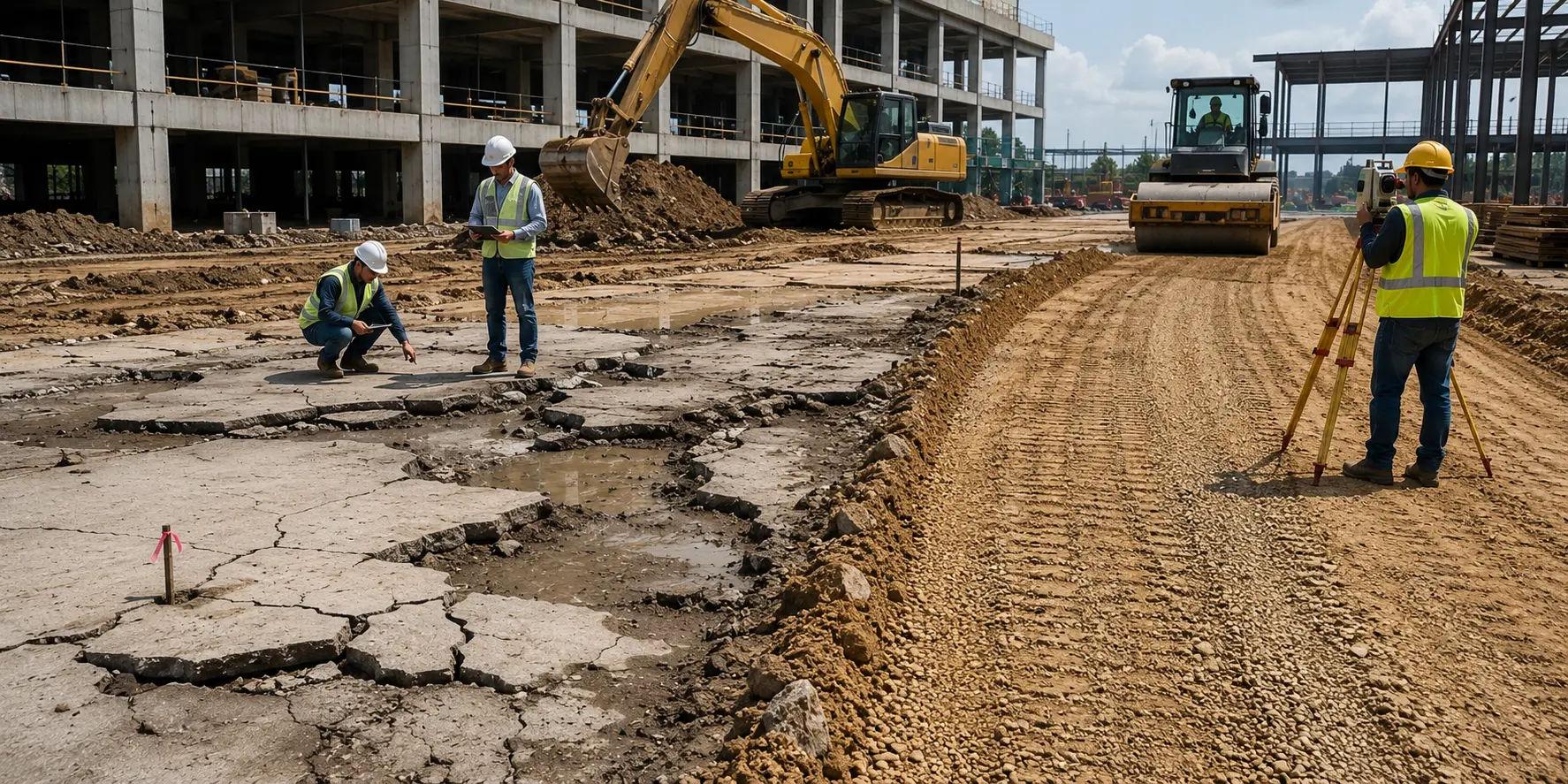
Even the most well-planned commercial construction projects can fail if the ground beneath them isn’t properly prepared. One common reason behind this is inadequate soil compaction: a critical step that involves the mechanical densification of soil to form a firm foundation that will support structures.  Poorly compacted soil may not exhibit any signs of failure immediately; rather, such signs emerge gradually: a microscopic crack on the concrete surface, a door that cannot be shut, or an area of road surface beginning to sink. In this blog, we break down the [...]
Key Equipment Required in Earthmoving Construction Services

May 5th, 2026|

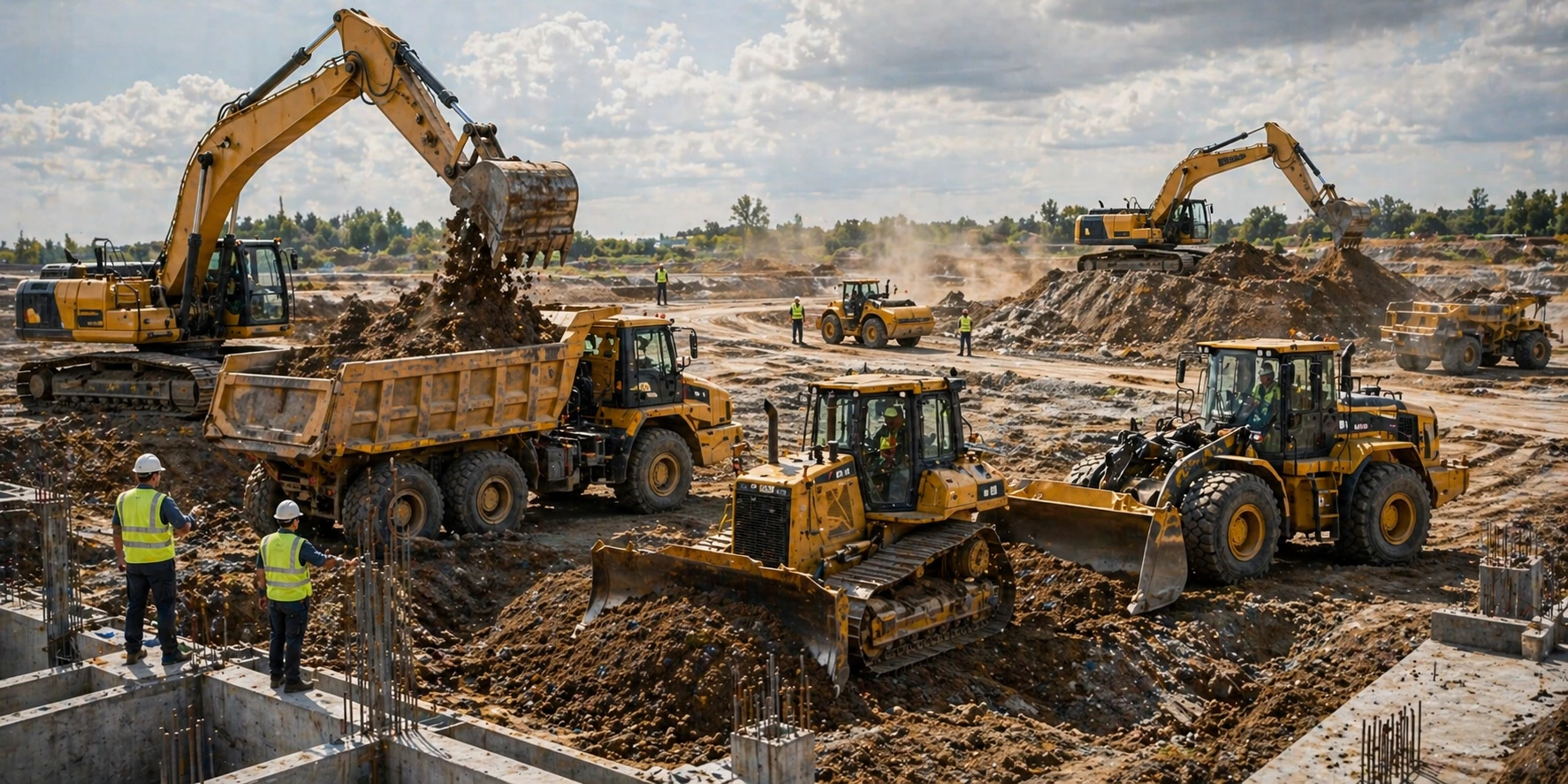
Earthmoving construction services involve using appropriate equipment to handle various construction tasks effectively. Each task, such as digging, leveling, and clearing the land, requires many different types of earthmoving equipment to be used.  These machines help make the work process faster, safer, and more efficient, and help builders and other construction professionals plan a project that requires effective, efficient services. So, in this guide, we will help you to get a clear understanding of the equipment required in construction work.  Earthmoving Equipment Overview and Key Insights Earthmoving projects require [...]

Common Excavation Mistakes in Commercial Projects and How to Avoid Them

April 2nd, 2026|

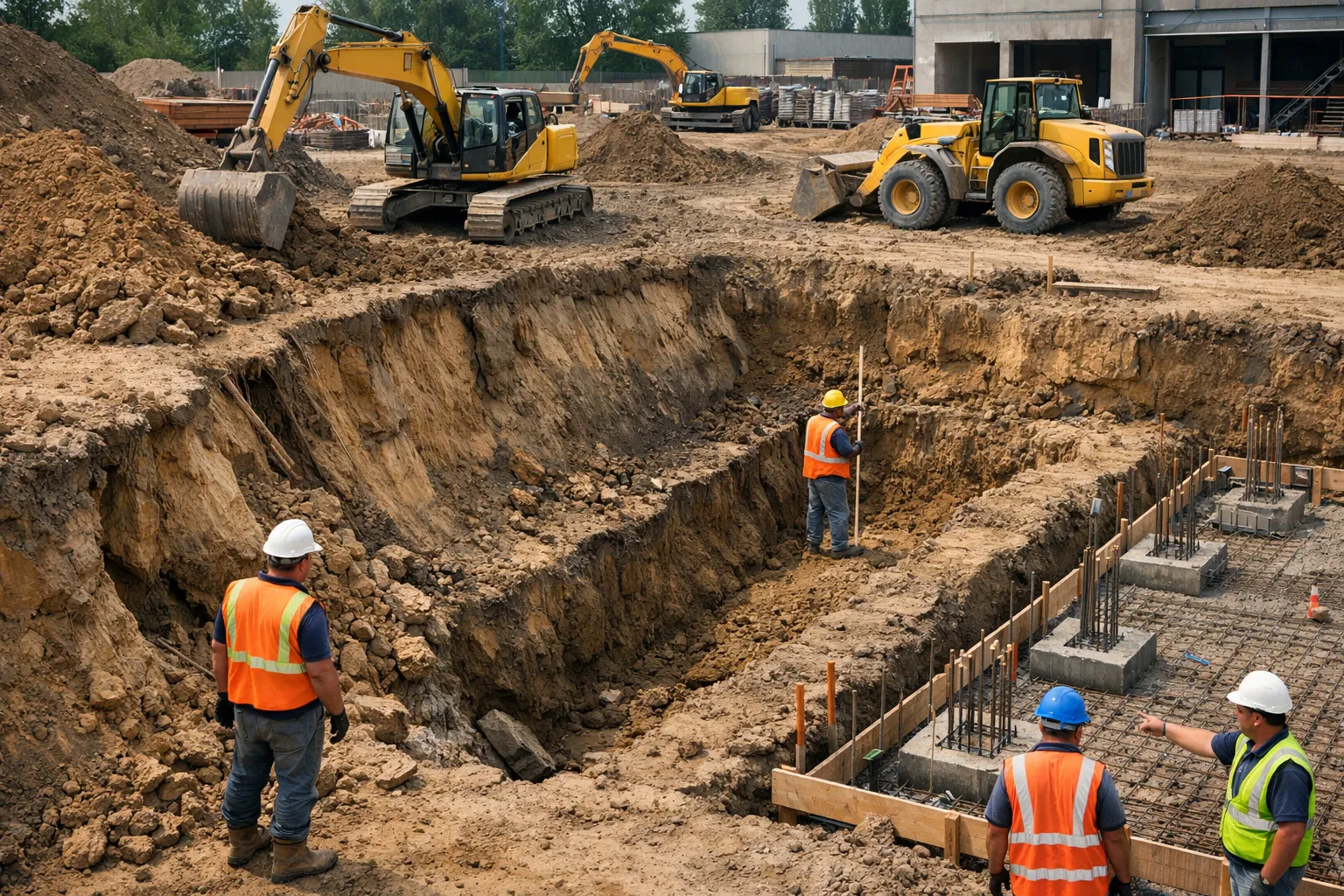
Excavation is the first process that occurs when building or making improvements to land for a house, business, or utility. Because of this, it needs to be done carefully, safely, and on schedule. However, excavation work doesn’t always go as planned. Unexpected commercial excavation issues can arise that lead to structural problems, project delays, higher costs, and even safety risks. So what are the common mistakes that occur once the digging begins? In this blog, we’ll walk through some of the most common excavation mistakes and practical ways to avoid [...]

Cast Iron Or PVC: Selecting The Right Pipe For Commercial Underground Drainage

February 10th, 2026|

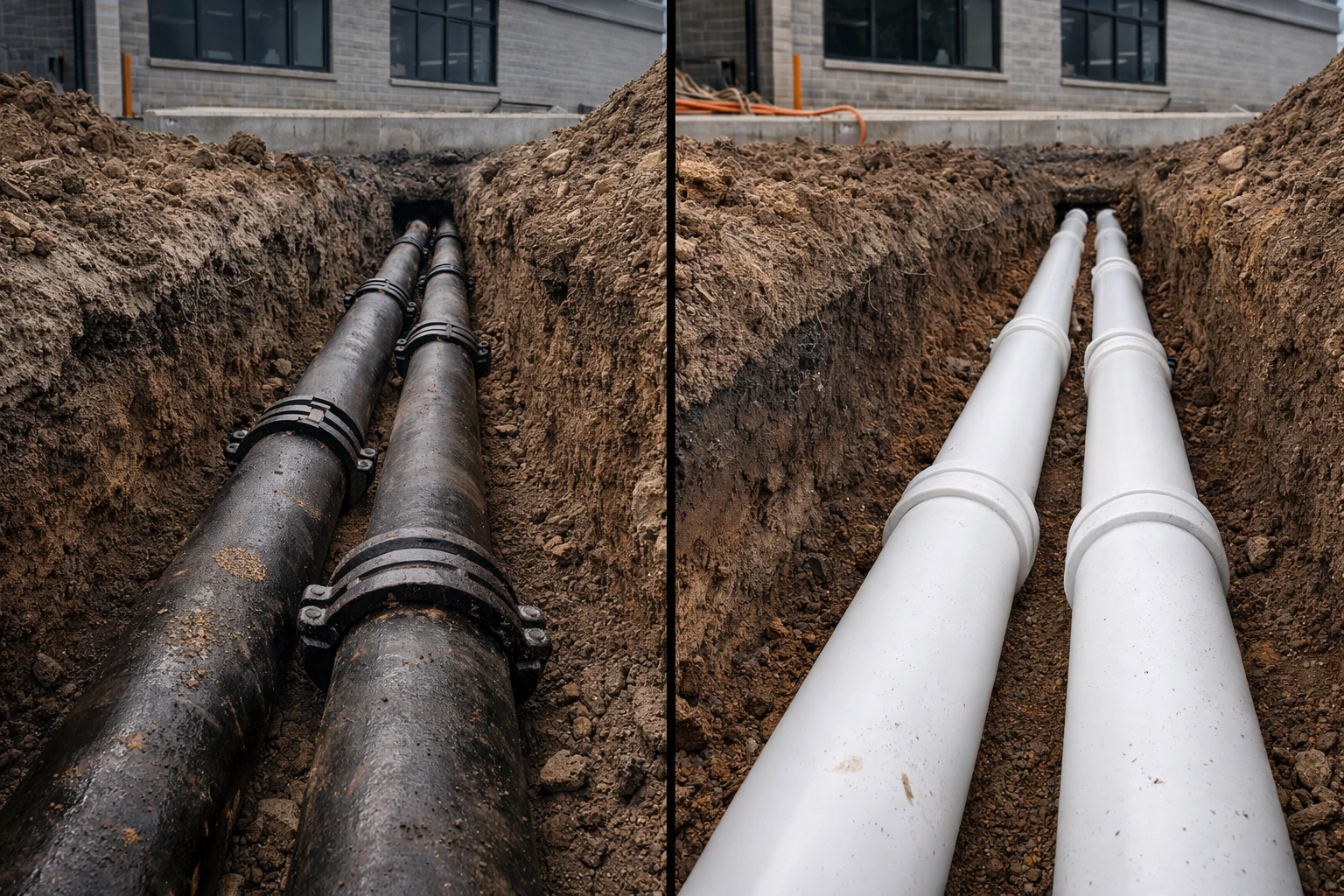
Cast iron or PVC are the two most commonly specified options, each offering distinct advantages depending on soil conditions, load requirements, noise control, and project scope. While one material is valued for its strength and durability, the other is favored for corrosion resistance and installation efficiency. Understanding these differences helps engineers, contractors, and property owners avoid costly repairs, premature failures, and unnecessary maintenance.  Hence, to help you make a confident decision, the sections ahead break down why material choice matters in commercial drainage and outline the key differences between [...]

Why Does Your Commercial Property Need Storm Piping?

January 15th, 2026|

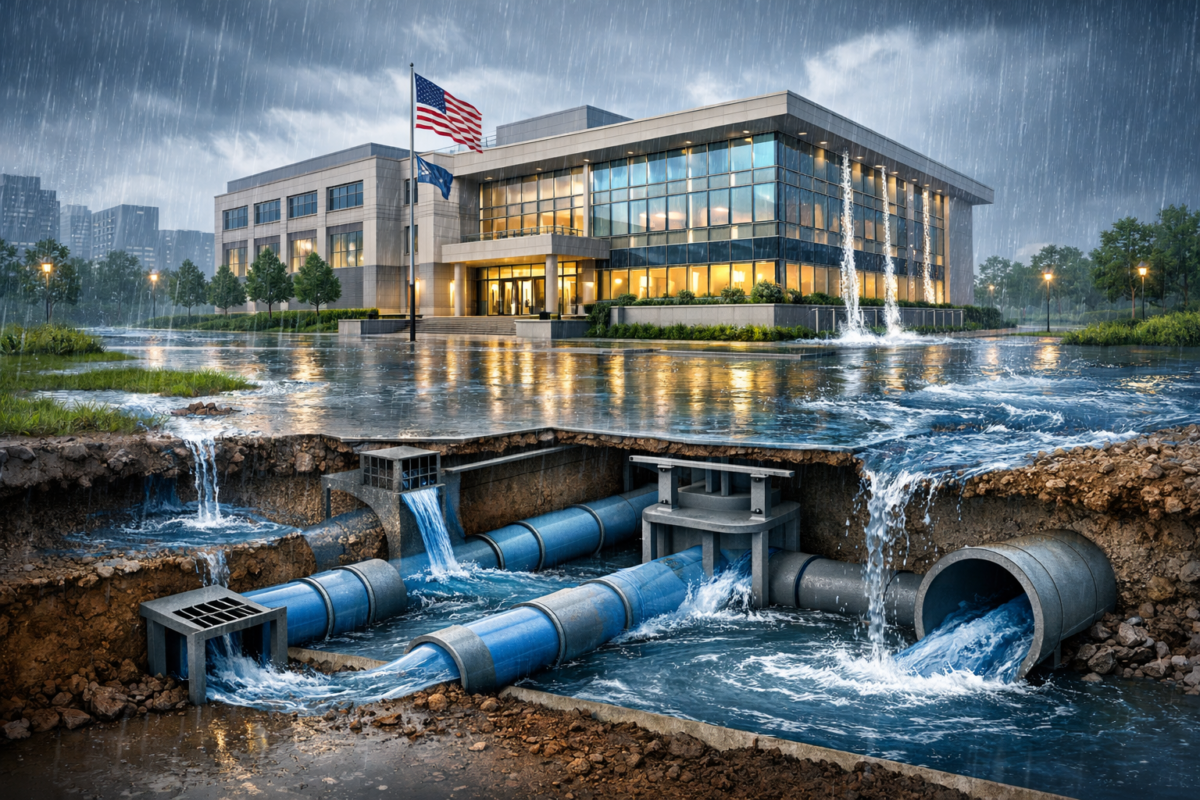
Stormwater management is a very important aspect of a commercial building, especially when considering the impact of heavy rainfall and weather conditions on building infrastructure. If stormwater is not managed and regulated properly, it results in flooding, foundation damage, surface erosion, and operational disruptions. This is where storm piping becomes essential. It prevents large volumes of water from accumulating around buildings, parking areas, and underground infrastructure quickly and safely. Understanding why your commercial property needs storm piping is the first step toward safeguarding your investment against the growing impact [...]

Importance of Backflow Prevention on Commercial Properties

December 30th, 2025|

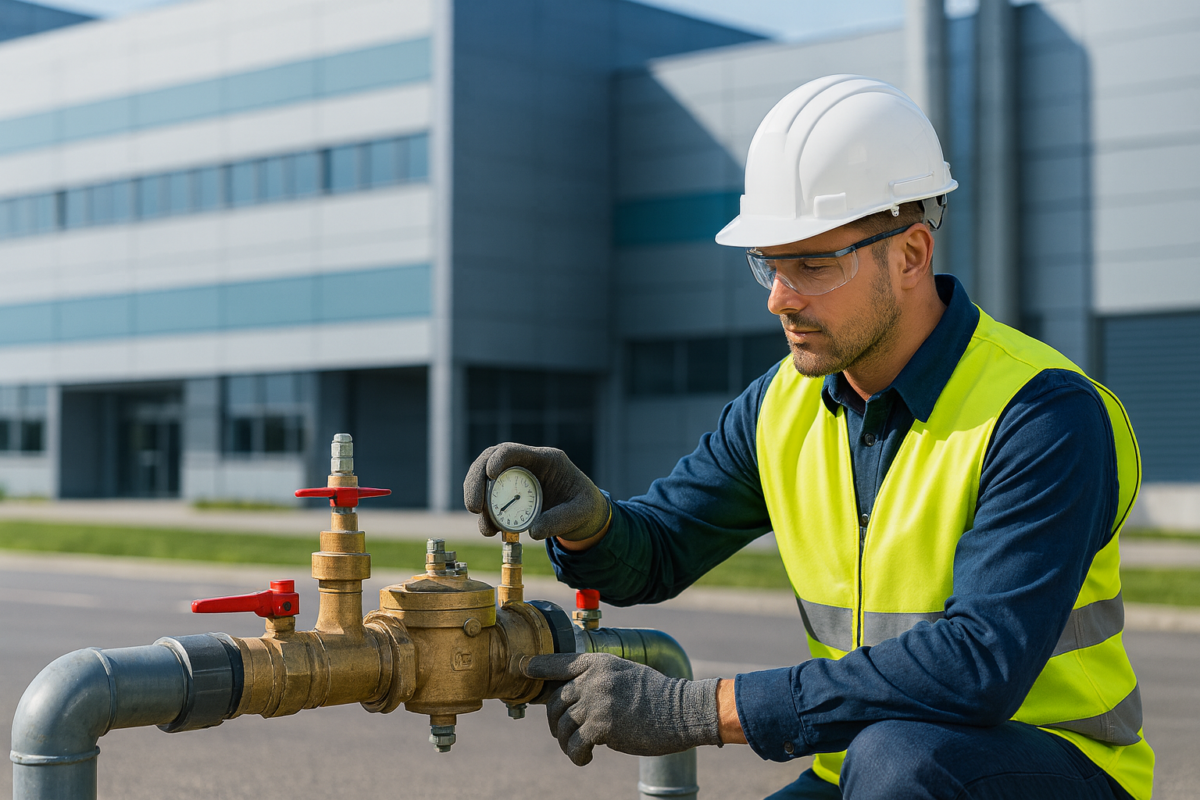
In commercial construction and property management, maintaining a safe and compliant water system is essential to protecting both occupants and infrastructure. One of the most important yet often underestimated components of that responsibility is practical backflow prevention. Commercial properties rely on complex plumbing networks, multiple water entry points, and high-demand systems that can make them more vulnerable to sudden pressure changes.  When these fluctuations occur, contaminated water can reverse direction and enter the clean water supply, leading to public health, building operations, and regulatory compliance risks. In the sections ahead, [...]

Common Failures in Commercial Gas Piping Systems & How to Prevent Them

December 10th, 2025|

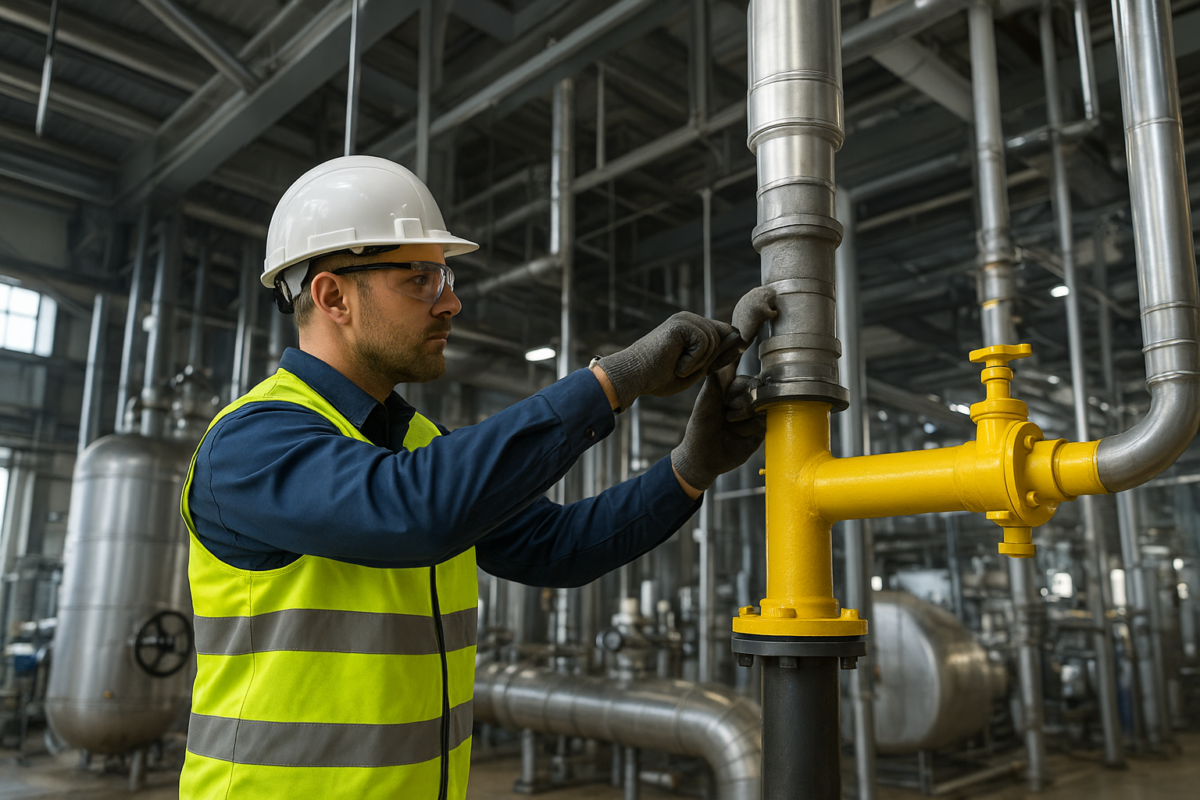
Commercial-gas piping systems are engineered for reliability, but in real life, even well-designed systems often run into trouble. According to the Pipeline and Hazardous Materials Safety Administration (PHMSA), over the period 1998–2020, roughly 18 % of “significant” pipeline incidents (those causing injury, fatality, or major property damage) were due to corrosion. Other major contributors include material defects, improper installation, aging pipe segments, and external forces like construction damage or ground movement, which is common in commercial settings. These failures often appear as leaks, ruptures, or deterioration in welds and [...]

Why Proper Excavation Is Critical for Commercial Construction Projects

November 23rd, 2025|

The success of any commercial project begins with excavation, the phase that defines stability, drainage, and long-term structural performance. When excavation is done improperly, costly issues inevitably follow. This blog outlines why this early stage is critical and what a properly executed excavation process should include. Foundation cracks, soil movement, and drainage failures rarely appear out of nowhere; they almost always originate from mistakes made before the first footing is even poured. That first phase is excavation, and it determines whether the entire structure will perform as intended or struggle [...]

Design Build vs Traditional Build: Which Is Better for Your Commercial Project?

October 8th, 2025|

Commercial building projects have complex layouts, specialized mechanical, electrical, and plumbing (MEP) systems, and even need to meet strict local building codes. That is why one of the first and most important decisions you’ll make during such projects is choosing the right project delivery method. Traditionally, projects have followed the design-bid-build approach, where the architect designs the building and contractors bid to construct it in separate phases. In contrast, the modern design build construction method combines design and construction under a single team, offering a more streamlined, collaborative process. [...]

The Role Of Technology In Modern Construction Project Management

September 29th, 2025|

The construction industry has long been characterized by traditional methods and manual processes. However, as the projects grow in complexity, scope, and scale, these outdated approaches are no longer sufficient to meet the increasing demands for faster delivery, tighter budgets, and higher-quality outcomes. In response, construction project management is undergoing a significant transformation, driven by the integration of advanced technologies. But the questions that arise are: what specific technologies are enabling this shift? And how are they revolutionizing the way construction projects are managed from the ground up? That’s [...]

Go to Top